MIG
MIG Welders
Assess wire diameter, transfer mode, shielding gas, feeder path and torch reach against the real production part.
Review MIG equipment →
Start with material, joint geometry, transfer mode and arc-on demand. Then configure the power source, feeder, torch and verification route as one working system.
Each family answers a different combination of deposition rate, access, finish, portability and parameter control.
Assess wire diameter, transfer mode, shielding gas, feeder path and torch reach against the real production part.
Review MIG equipment →Plan polarity, current control, shielding and heat input for stainless, aluminum and precision root work.
Review TIG equipment →Coordinate process changeover, incoming power, accessory compatibility and service access for mixed production.
Review system classes →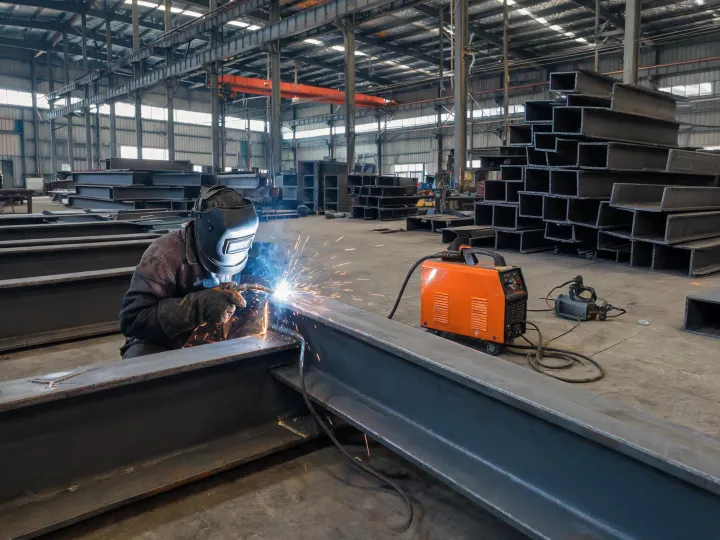
Changeover, duty cycle and mixed joint access.

Cable reach, positional work and documentation.
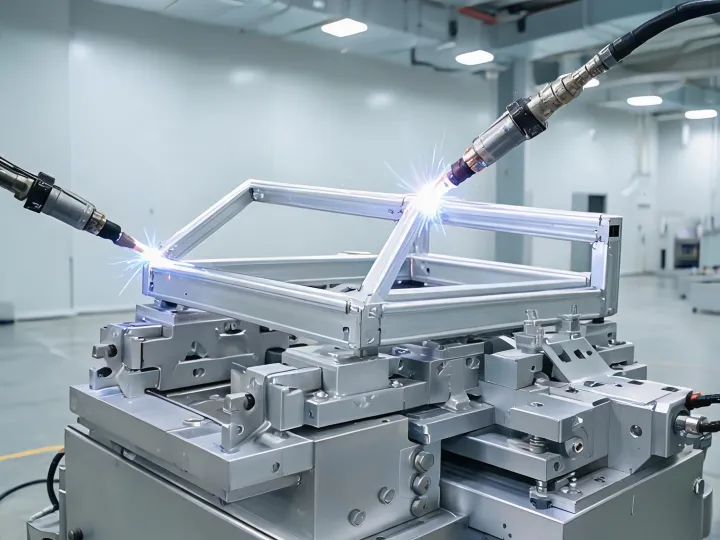
Distortion, appearance and repeatable fixtures.
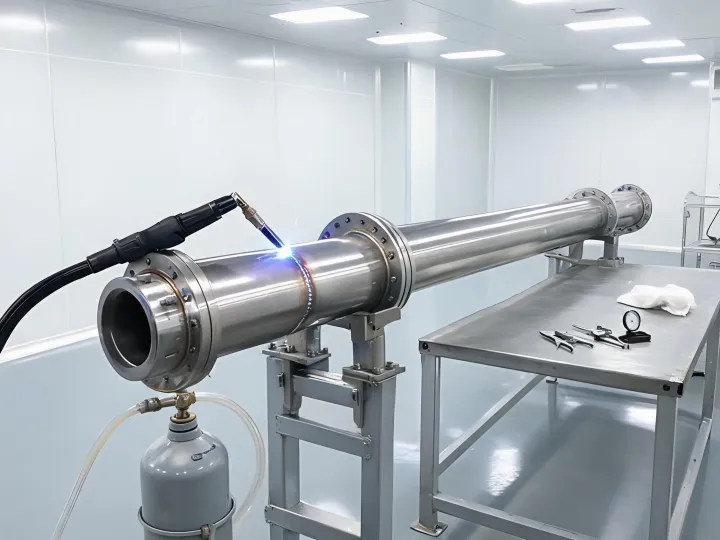
Root integrity, shielding discipline and traceability.
Record material grade, thickness window, joint drawing, weld position and acceptance criteria.
Use representative coupons to establish an operating window rather than presenting one showcase setting.
Test the selected power source together with feeder, torch, consumables, shielding and incoming power.
Hand over approved parameters, setup notes, inspection results and maintenance checkpoints to the production team.
Share the base material, thickness range, joint type, production volume and current quality concern. The review can then focus on a defensible process window and the equipment package needed to hold it.